INTERACTION | BIOMATERIALS
DECEMEBER 2025
The project aimed to explore our surroundings to find an everyday object that could be treated as a material, understand its sensory qualities (sight, smell, touch, sound, taste), study how it can transform as a building system, and uncover its potential to become something meaningful.
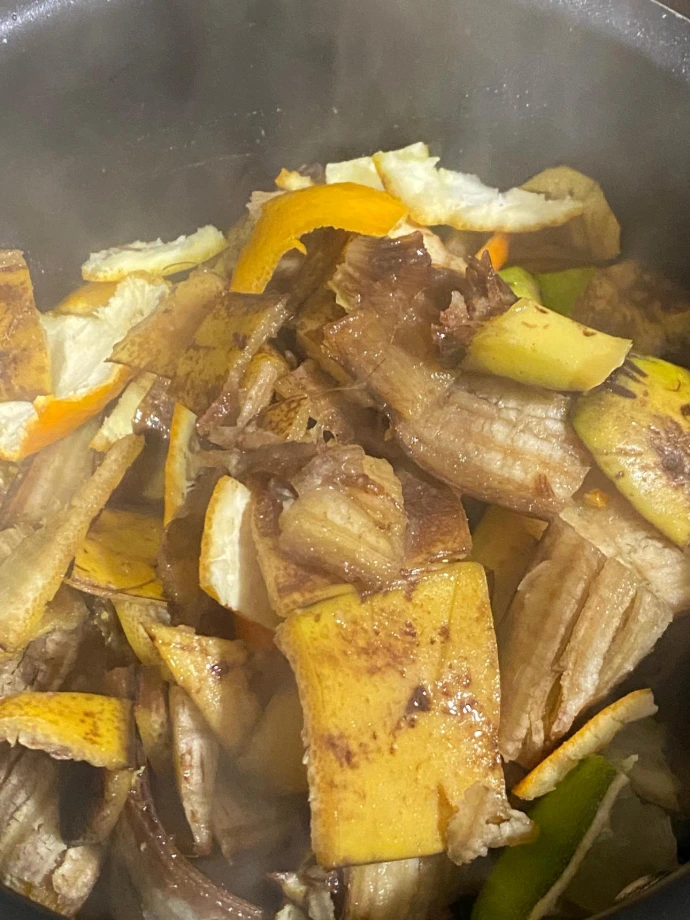
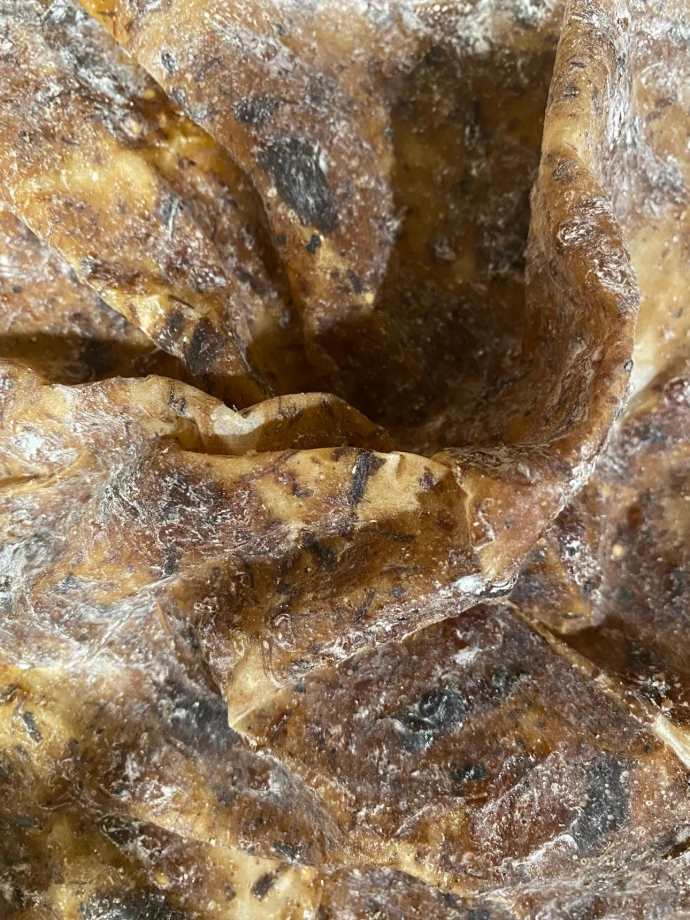
THE PROCESS
The material used in this project is fruit peels (orange, clementine and banana), which are transformed into a bioplastic. By recomposing fruit and vegetable waste into a textile-like material, the process gives new utility to discarded organic matter while keeping it fully biodegradable. The waste is mixed with cornstarch, cold water, vinegar, and vegetable glycerin to create a paste that is spread into a thin layer. Once air-dried, it solidifies into a flexible biomaterial.
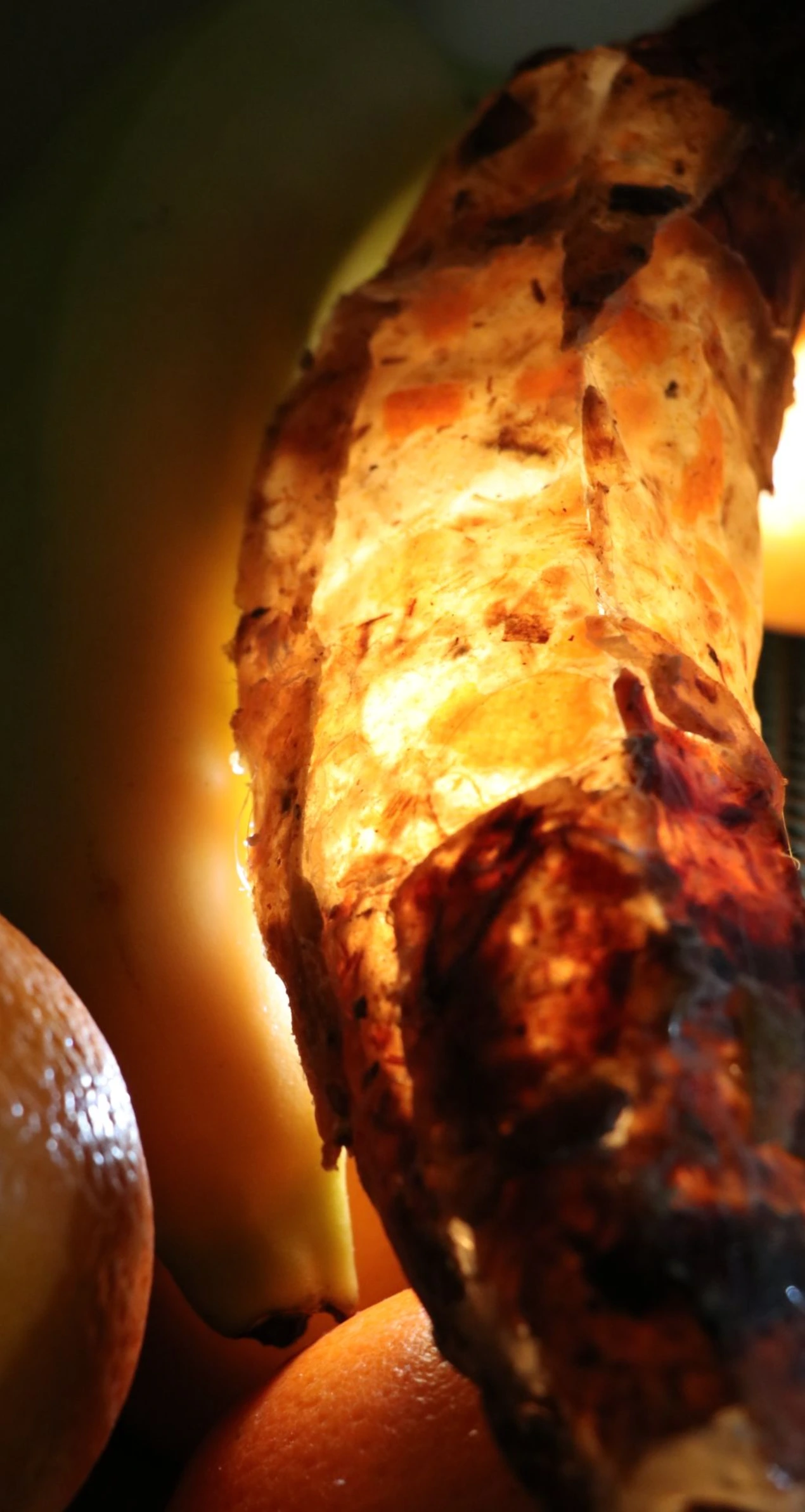
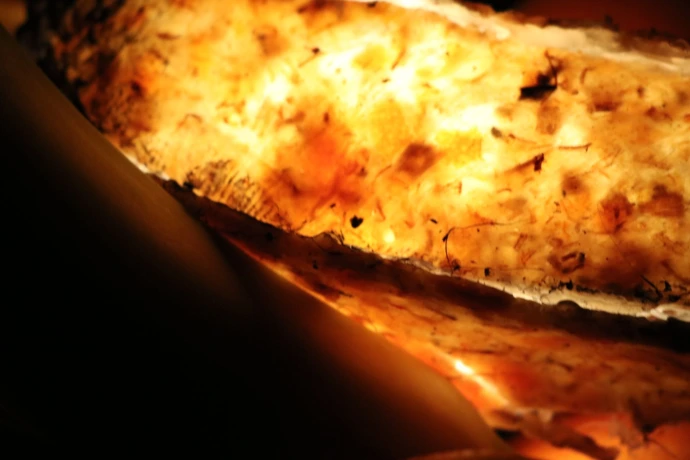
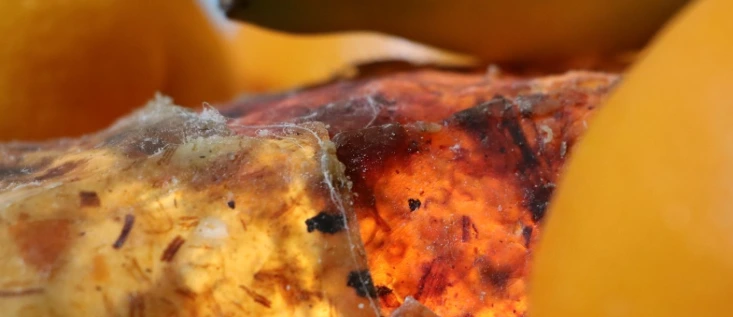
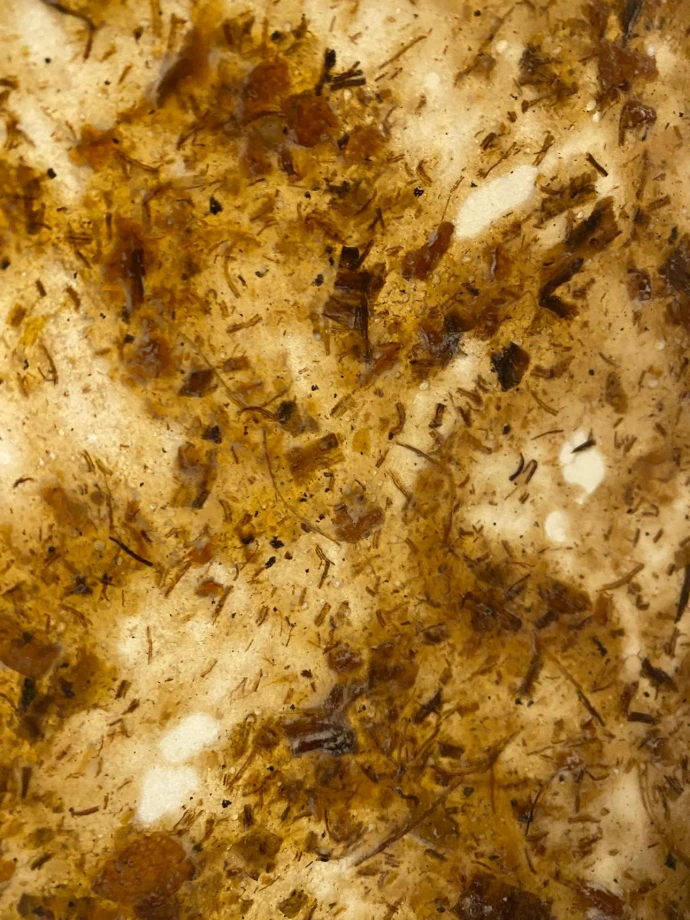
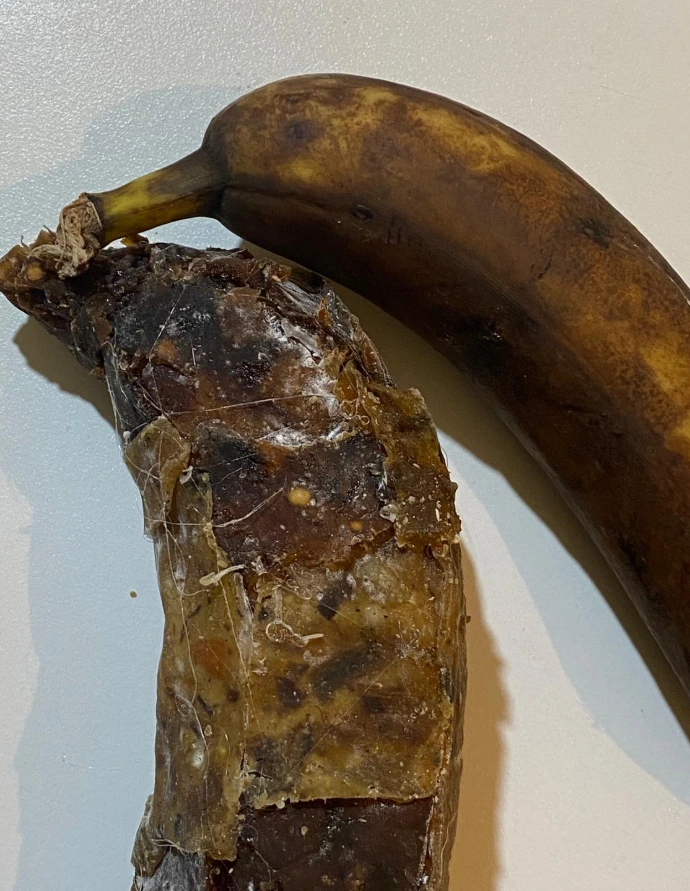
THE FINAL PRODUCT
This model represents a recomposed banana. Its “rotten” appearance evokes both decomposition and recomposition, highlighting the cyclical nature of organic matter. By mimicking the decay process while reshaping the material, the model reflects on transformation, renewal, and the potential of waste to become something new.
Referrence : studioevaporer
LIST OF MATERIALS USED
- Fruit waste (orange, clementine, banana)
- Vinegar
- Vegetable glycerin
- Cornastarch
DIFFERENT POTENTIAL USES FOR BIOMATERIALS
- Bags, wallets, pouches, jewelry or wearable components
- Packaging (wrapping, containers, labels)
- Lampshades or lighting diffusers, small furniture elements (panels, inlays, decorative parts)
- Experimental Materials: Color, texture, transparency research
- Interior Finishes: wall panels or decorative cladding
- Biodegradable tiles or coverings
- Temporary structures: installations or pavilions, short-lived architectural elements for exhibitions or festivals
- Lighting & Spatial Atmospheres: translucent sheets for diffused light, sculptural lighting elements.